Aerating wine introduces oxygen to the wine to enhance its flavor. Aerating creates bubbles that give your wine a beautiful aroma and improve your drinking experience, offering you a snapshot of the wine’s cellaring potential.
Aeration helps to break down the tannin compounds and smooth out any harshness or bitterness in the wine. This article examines which wine you should aerate, how to aerate your wine and the benefits of aerating wine. So let’s get started!
First, What Is a Wine Aerator?
A wine aerator is used to aerate wine by exposing it to more air to enhance its flavor and aroma. The aerator is used before pouring wine into a glass to let it breathe. It then breaks up the wine, allowing more oxygen to enter the liquid.
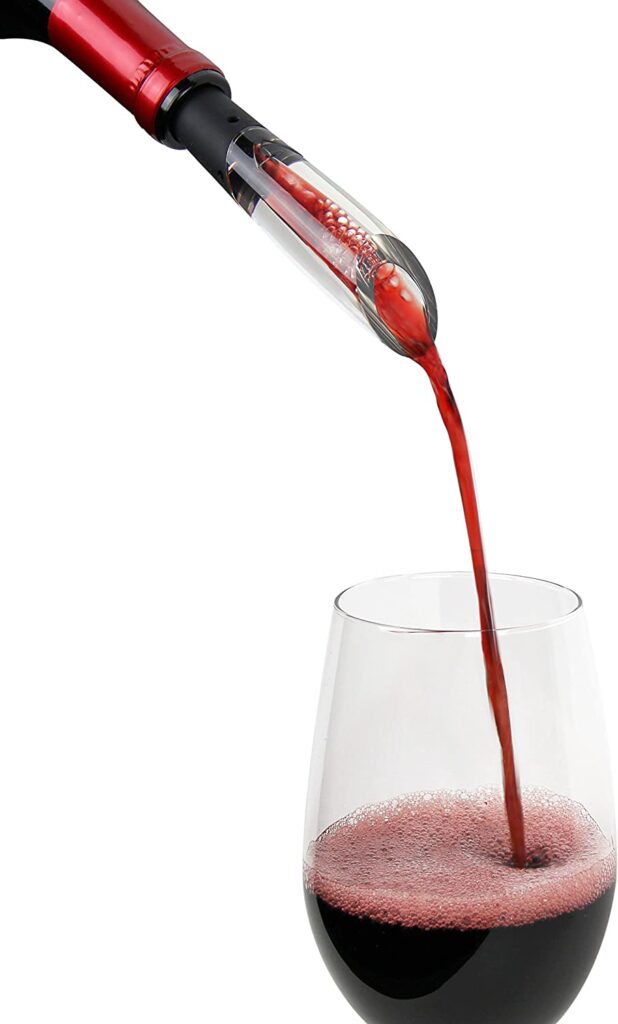
Aerators can be designed in different ways; one of the most popular aerators is the in-bottle aerator which is inserted directly into the bottle’s opening and works as a pour spout while aerating the wine.
Types Of Wine Aerators Available.
All wine aerators serve the same purposes but are not designed similarly. For example, some are meant to be used at home for personal use, while others can be used with a decanter for larger groups of people. So where and how you want to use your wine aerator will determine the one that best suits you. Below you will find different types of wine aerators and be able to find the best one for your personal needs.
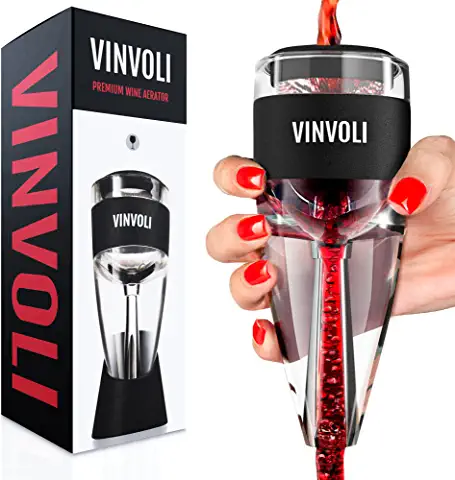
- Handheld Wine Aerator: These are aerators you hold over a glass while you pour the wine. They come with a screen and a base to place the aerator if it’s not in use. They are perfect for your wine serving as they allow a large amount of air to get to the wine quickly.
- In-Bottle Aerator: They are the most popular aerators, and they are convenient to use because they fit directly in the bottle. Pictured a Vinturi wine aerator.
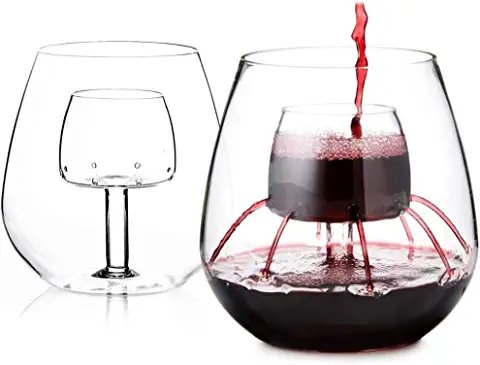
- In-Glass Aerator: These aerators give instant Wine enhancement with an aerating system built into the glass.
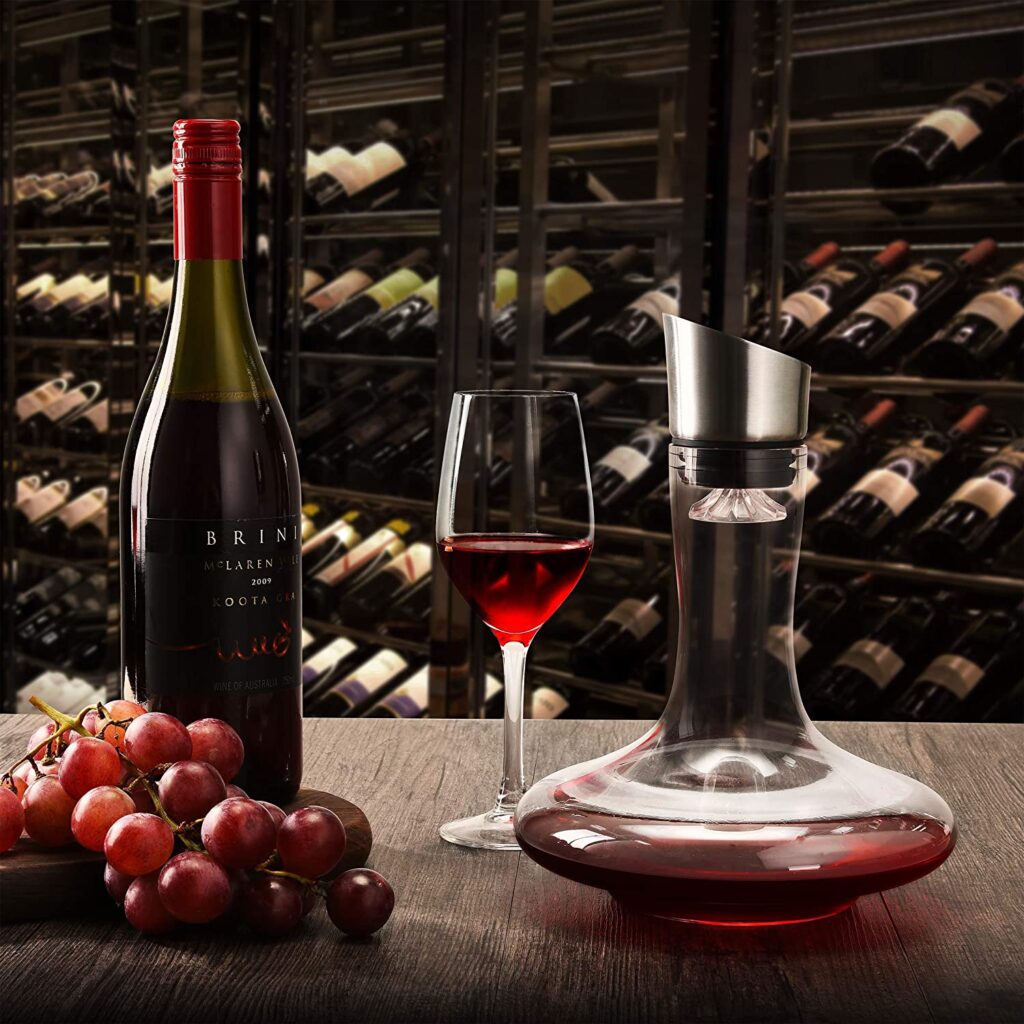
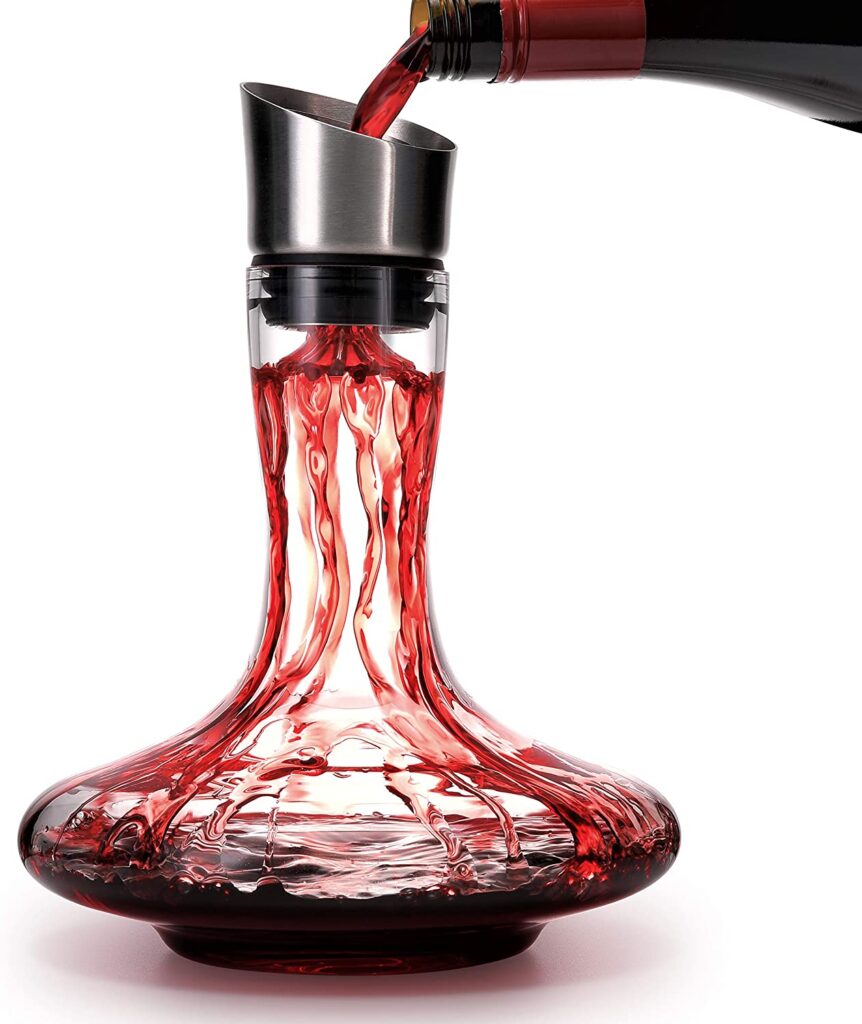
- Wine Aerator Decanter : Your classic decanter with a built in aerator to help filter out impurities and aerate the wine in half the time.
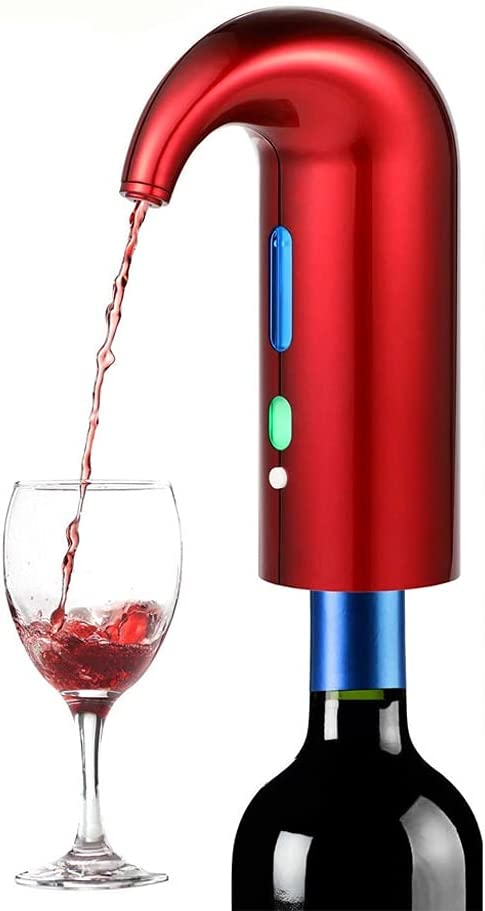
- Electric Wine Aerator: Easy to operate and able to aerate your wine in seconds, with its built in magnetic force, oxidize device and red light generator.
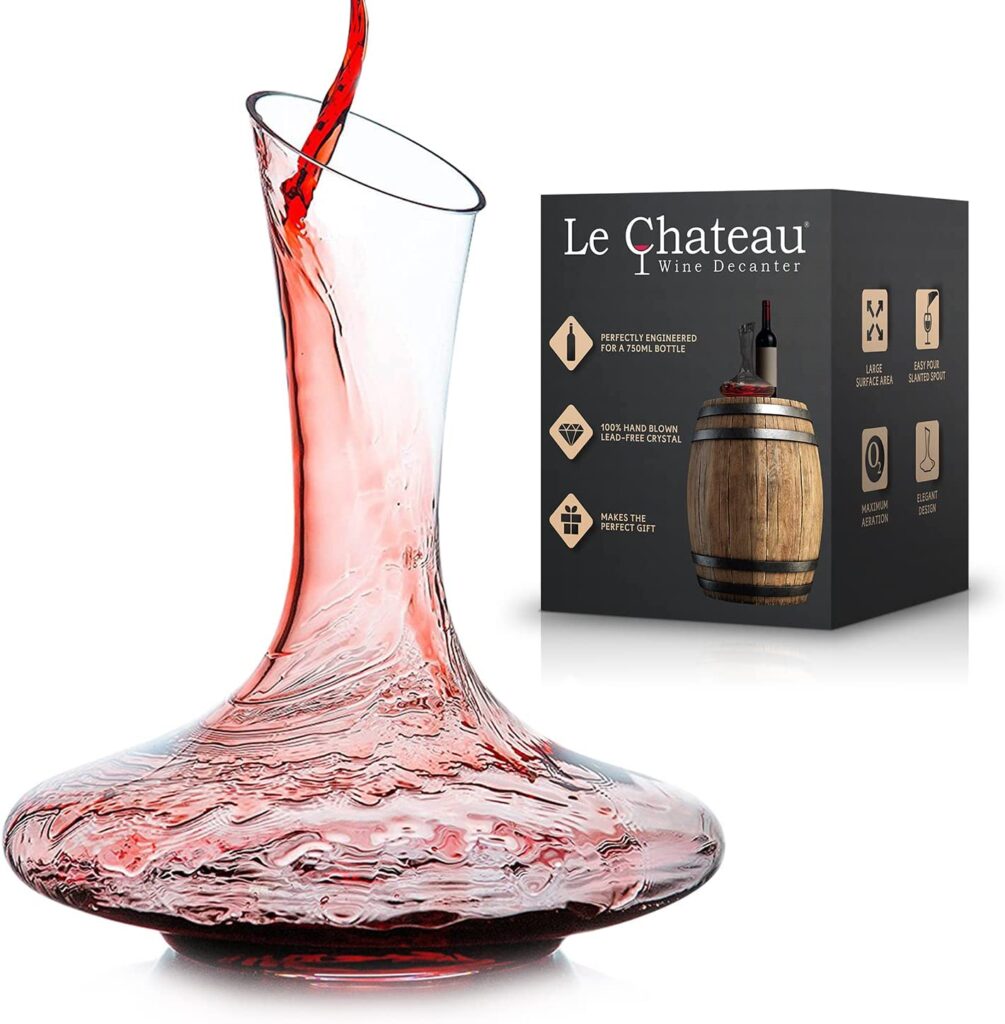
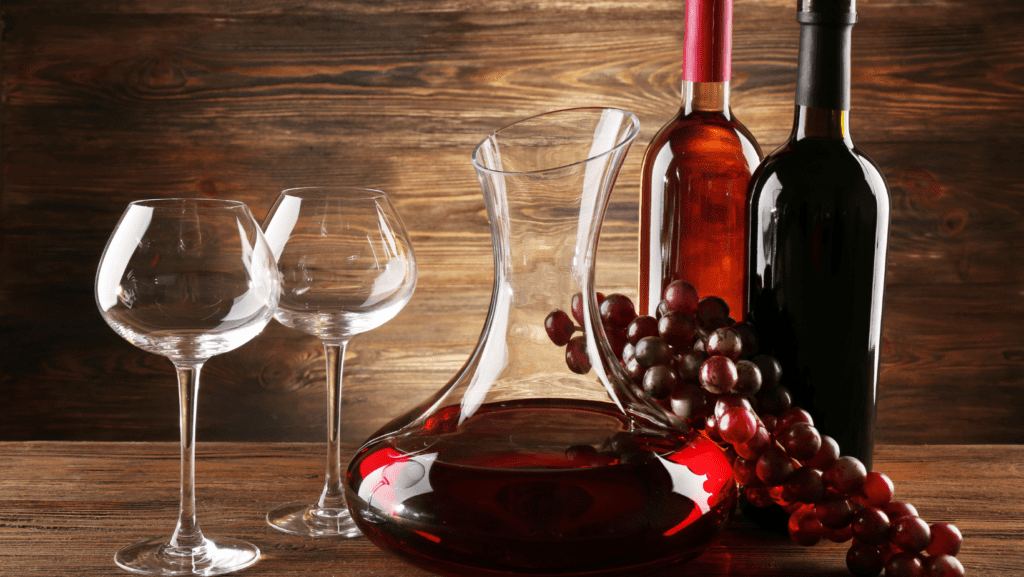
- Wine Decanter: The wine decanter is a popular purchase to aerate wine. It allows your wine to breathe releasing the natural aromas and flavors. The end result is a better tasting smooth crisp wine.
Aerating Wine – Which Wine Should You Aerate?
Not all wines do well with aeration, but some will do better during the process. These are:
1. Young Tannic Wines
Young Tannic Wines have high tannin compounds in grape skins, seeds, and stems. Tannin gives the wine a distinct taste and acts as a preservative. Aeration will soften any harsh edges, mellow out the tannins and make the wine more drinkable.
2. Aged Red Wine
Aged Red Wines have various elements, such as tannins and other chemicals, that bind together, solidify and sit on the wine bottle. This usually occurs between seven to ten years and depends on the type of red wine and the storage conditions.
The sediment of an aged wine can taste bitter. However, you can segregate them while you decant the aging wine by removing the bottle from its aging rack or allowing it to float and settle at the bottom.
When you are ready to decant the wine, slowly pour it so as not to mix the wine and the sediment on the bottom. Ensure the murky wine and sediment don’t pour into the decanter with the remaining wine.
3. Inexpensive Red Wines
These wines, especially fruit wines, don’t improve in flavor from aeration. Instead, they taste better after they are opened. They might taste bad after an hour because of oxidation, but if they smell like alcohol, pour the wine into a glass and allow a few moments for the odor to dissipate.
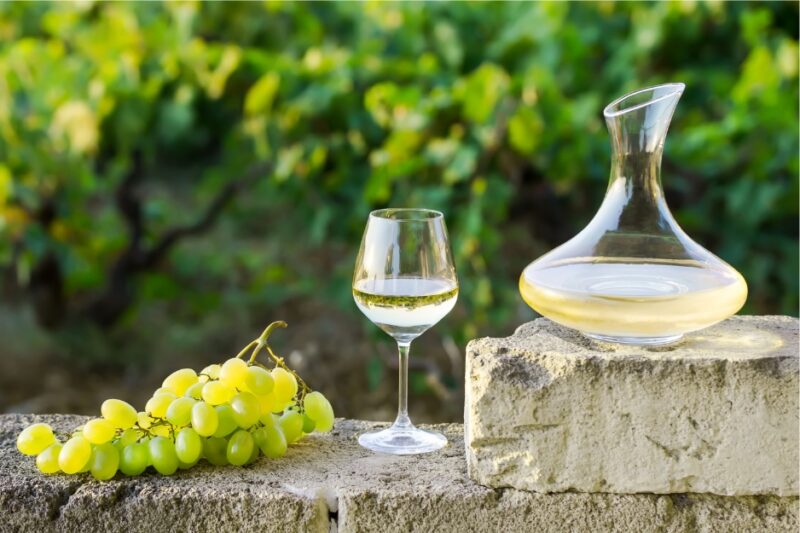
4. Some White Wines
White wines can be aerated to change their flavor and mouth-feel experience. Examples are:
- White Bordeaux
- White Burgundies
- Reserve Chardonnay
- Alsace Whites
How to Aerate Wine
Aerating wine means opening the wine to air, which can be done by removing the cork and allowing the wine to breathe in a decanter or glass. Taste a wine before aerating it to know whether to proceed or not.
The unchallenging way to aerate wine is to aerate it as you pour it into a glass. Remember that aerators are not the same likewise the level of oxygen infusion. Aeration can be done with red and white wines, although red wines usually require longer aeration than white wines.
Using a decanter could also be a great way of aerating your wine; most decanters have a curved shape to prevent wine sediment from getting into the glass.
If you don’t have an aerator or decanter, another way of aerating your wine is by swirling the wine in a glass. Whichever way you want to use it, these options will help soften tannins and give you a fresh experience with your wine.
Top 7 Benefits of Aerating Wine
1. Aerating wine Increases Aromas
One of the main benefits of aerating wine is that the process releases more of the wine’s aromas. When oxygen is introduced to the wine, the molecules in the wine interact with the oxygen, breaking down some of the complex compounds and helping the wine release its full aroma.
This can make the wine smell more enticing. Using an aerator also removes the sediments and other impurities that can detract from the wine’s flavor.
2. Improves Taste
Without aeration, your wine can taste dry and bitter, but aerating wine can improve your wine’s taste as the oxygen breaks down the tannins, making the wine taste more balanced. Aeration can be done to both white and red wines, and the beauty is that the more complete the oxidation, the better the flavor will be.
In addition, it allows a wine’s aroma to open up and release more flavor compounds, making it more fragrant and experienced.
While aerating, you should do it in a controlled manner, as different wines may require other aerating techniques. However, through consistent practice, anyone can aerate the wine and unlock its full potential.
3. Softens Tannins
Tannins are natural compounds found in the non-flesh part of a grape. i.e., the skin, seeds and stem. Tannins can make a wine tase bitter and leave the mouth dry; however, using a wine aerator can help to soften the tannins and make the wine more palatable.
4. Aerating Wine can Save you Money
Aerating wine may seem unnecessary, but it can save you huge money in the long run by allowing you to purchase cheaper bottles of wine. This means you can enjoy the same quality of wine for a lower price, and you don’t need to buy expensive wine to get the same taste. It also allows you to enjoy your wine quickly without waiting for it to breathe before it’s ready to drink.
5. Enhanced Complexity
Aerating the wine can also add complexity to the flavor. Introducing oxygen to the wine breaks down its compounds and releases other hidden flavors. The oxygen helps to add nuance and depth to the taste of the wine, making it more exciting and enjoyable.
6. Easier Drinking
As the tannins break down, the flavor of the wine becomes smoother and more balanced, which makes the wine easier to drink. In addition, if there is ethanol in the wine, it gives it a bitter or harsh flavor – aerating wine can, however, reduce this taste.
7. Aerating Wine Evaporates Compounds
When you aerate a wine, the oxygen helps to reduce the concentration of compounds in it. These compounds, such as sulfites, protect the wine from unwanted oxidation and microbes in the storage process, but they give the wine a harsh and unpleasant taste.
If you properly aerate your wine, it will reduce the sulfites’ concentration on the surface of your wine and give you a better experience.
FAQs
1. Why Should I be Aerating Wine?
Exposing wine to air helps broaden its character and soften the acidity of younger wines while coaxing out the complex tastes and aromas hidden in more mature bottles.
2. Which Type of Wine Benefits the Most From Aeration?
All red wines benefit from aeration, but only some white wines, like Bordeaux, Alsace, Burgundy, etc. The rule of thumb is that the heavier the wine, the more it benefits from aeration.
3. Can you Aerate Wines For Too Long?
If wine is exposed to too much air, it will taste old and nutty, without much personality.
4. What Is Aerating Wine?
Aerating wine exposes the wine to oxygen to help soften tannins and enhance the flavor and aroma. It could be done by swirling the wine in a glass, using a decanter or a wine aerator.
5. When Should I Aerate Wine?
Although it is not necessary to aerate all wines, it is recommended that you aerate younger wines and those with firmer tannins.
6. What Does Aerating Wine Do?
Aerating wine helps open up the flavors and aromas of the wine, allowing it to become expressive and enjoyable to drink.
7. Is Aerating Wine Necessary?
No, it’s not. Sometimes, it may even make the wine taste worse, but it is a matter of personal preference and should be done with caution.
Conclusion
Aerating wine can be an effective way to enhance the flavor and bouquet of the wine, making it more enjoyable to drink. Introducing oxygen to the wine can release the aromas and flavors, making the wine smell and taste more balanced and complex.
While aerating wine is not necessary for all wines, it can be a great way to bring out the best in certain wines and make them even more enjoyable.